Tipping in Sardinia is a Compliment, Not an Obligation
In Sardinia and mainland Italy, waitstaff, bartenders, and service workers are not reliant on gratuities to survive. Italian labor laws mandate contractual living wages, complete with national health insurance, paid annual vacation, and state pension contributions.
Consequently, tipping is never obligatory, never expected, and never factored into an employee's base compensation. Unlike in the United States, where withholding a 20% tip impacts a server's livelihood, failing to tip in Sardinia will never result in scowls or chase-downs. When locals leave a tip, it is strictly an optional token of gratitude for exceptional warmth, attentive hospitality (ospitalità sarda), or a remarkable meal.
Understanding this distinction frees you to reward genuine excellence without feeling awkward or pressured.
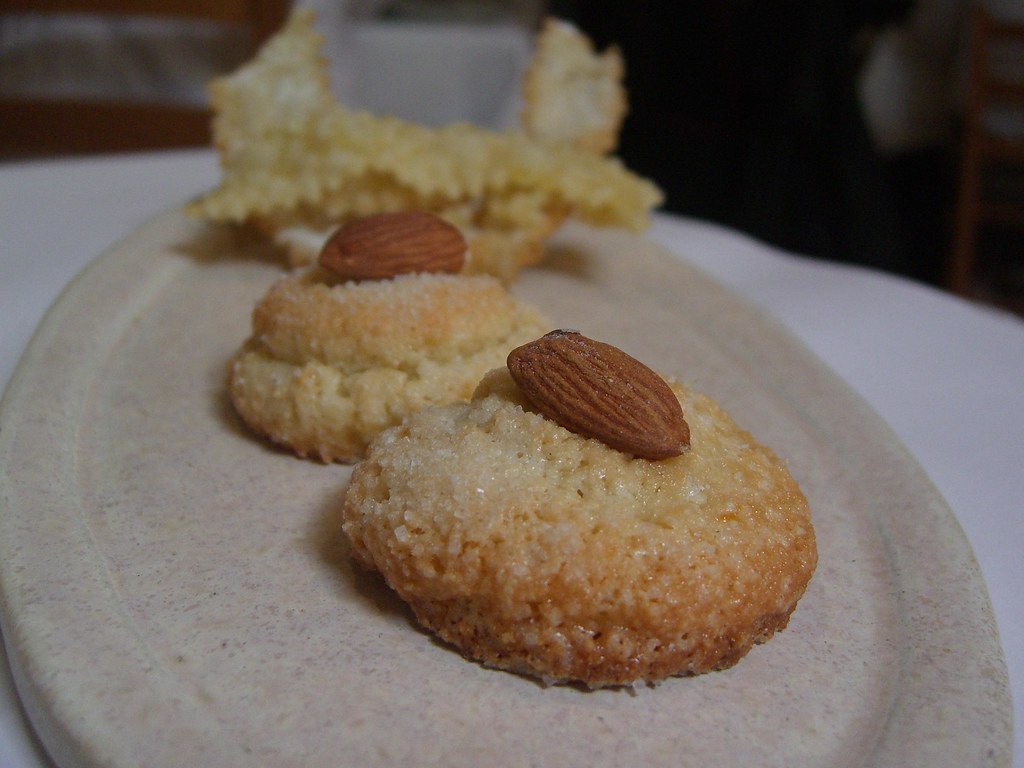
The "Coperto" Explained: Cover Charge vs. Gratuity
Almost every sit-down restaurant, trattoria, and pizzeria in Sardinia will itemize a small charge at the bottom of your bill called il coperto. First-time visitors frequently misinterpret this as an automatic tip. It is not.
What Does the Coperto Cover?
- Historical Heritage: Dating back to the Middle Ages, when travellers stayed at wayside taverns and brought their own foodstuffs, innkeepers charged for the "covered table" (coperto) — the shelter, wooden bench, cutlery, and glassware.
- Modern Service Elements: Today, it covers the laundering of cloth linens, table setting, cutlery, glassware, and the basket of fresh bread — typically authentic Sardinian pane carasau (crisp parchment flatbread) and grissini.
- Standard Cost: In southwestern Sardinia (Iglesias, Nebida, Buggerru), the coperto ranges from €1.50 to €3.00 per person. In high-end resort marinas on the Costa Smeralda, it may reach €4.00 to €6.00.
- Legality: The coperto is 100% legal under Italian commerce laws, provided it is clearly printed on the physical or digital menu.
- Crucial Insight: The coperto goes to the restaurant business to defray operating costs; zero percent goes to your waiter as a tip.
Coperto vs. "Servizio Incluso"
Do not confuse coperto with servizio incluso (service included). A mandatory service charge (typically 10% to 15%) is exceedingly rare in Sardinia, appearing almost exclusively at high-end hotel restaurants or banquet bookings for large wedding parties. If a bill explicitly lists servizio incluso, you should never leave an additional tip under any circumstances.
Complete Sardinia Tipping Cheat Sheet by Scenario
Use this practical reference table whenever you are dining, riding transit, or taking guided tours across Sardinia:
| Service / Venue | Customary Tip | How to Execute |
|---|---|---|
| Casual Trattoria / Pizzeria | Round up to nearest €5, or €1 to €2 per diner | Leave cash coins on the table or inside the leather bill folder after paying. |
| Fine Dining Seafood Restaurant | 5% to 10% of the food total | Hand paper notes directly to your head server or sommelier in cash. |
| Coffee Bar (Espresso at the counter) | €0.10 to €0.20 coin (Small pocket change) | Drop spare change into the tip saucer (il piattino) near the cash register. |
| Porto Flavia Mine Tour Guide | €2.00 to €5.00 per person | Hand to your guide upon exit from the tunnel after handing back your helmet. |
| Pan di Zucchero Boat Skipper | €5.00 to €10.00 per group | Offer to the boat captain on the dock when disembarking the zodiac dinghy. |
| Taxi Driver / NCC Private Driver | Round up to nearest Euro (e.g., €28.50 → €30) | Say "Tenga pure il resto" (Keep the change) when paying cash. |
| Hotel Housekeeping / Porter | €1 per bag / €2 to €3 per night | Leave cash on the bedside table with a note reading "Grazie" at checkout. |
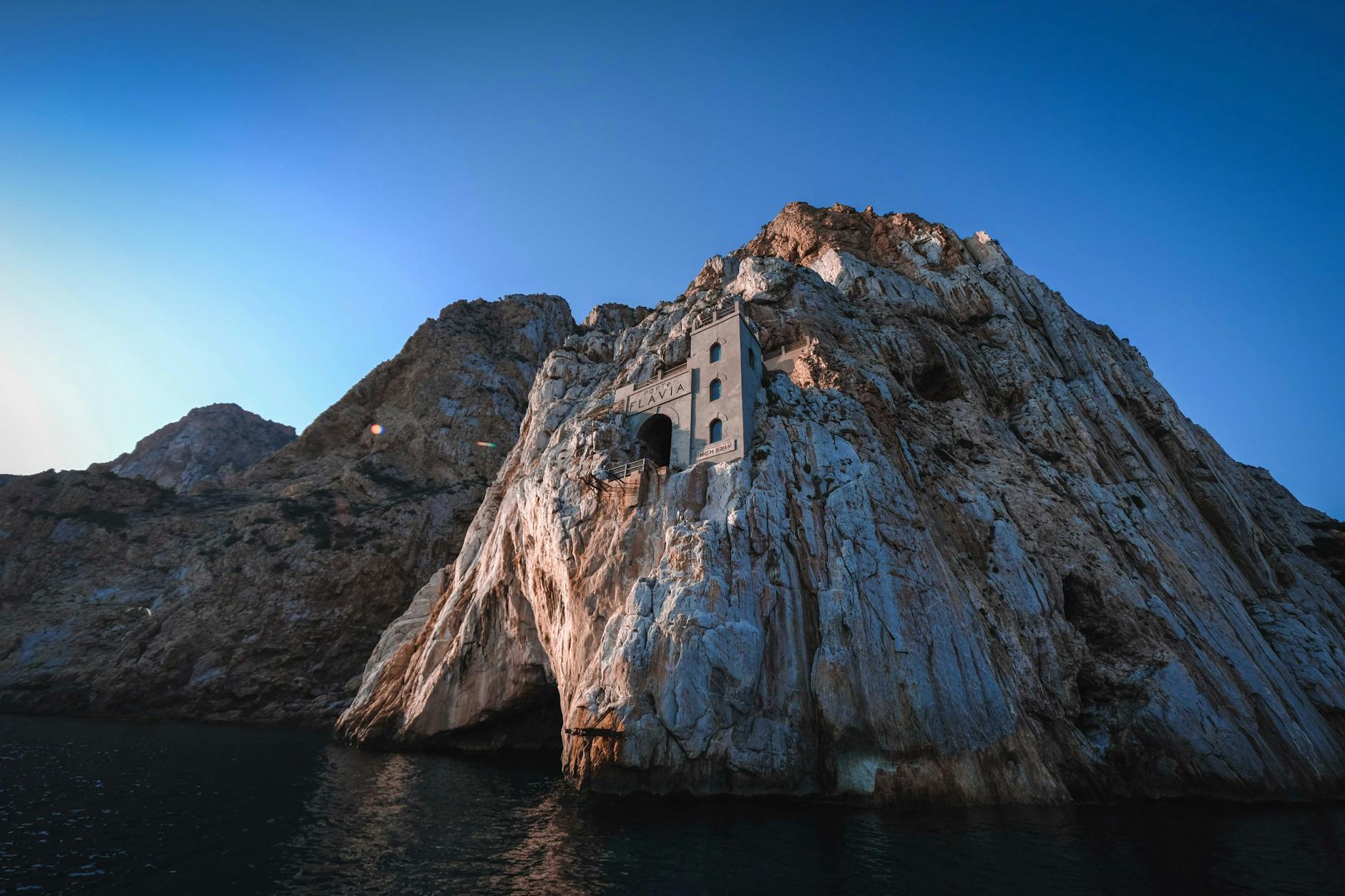
Cash Etiquette in Southwestern Sardinia
While credit cards (Visa and Mastercard) are widely accepted across supermarkets, hotels, and established restaurants in Cagliari and Iglesias, southwestern Sardinia remains a rural province where cash is still king for daily transactions.
- • Credit Card POS Cannot Process Tips: Italian bank payment terminals are programmed strictly for automated tax compliance (scontrino fiscale). They do not offer an interactive screen asking if you want to add 15%, 18%, or 20%. If you pay by card and want to tip your server, you must provide cash.
- • The "POS Non Prende" Reality: In coastal hamlets like Masua, Nebida, and Buggerru, cellular connectivity is intermittent. Business owners frequently encounter payment terminal transmission failures. Carrying paper currency prevents awkward standoffs.
- • Small Purchases Under €5: While legally businesses must accept digital cards for any amount, asking to swipe an American Express card for a €1.20 morning espresso at a rustic village bar is considered poor etiquette. Always pay for small coffees, pastries, and beach parking with coins (see our Masua Beach guide for exact meter tariffs).
For more advice on navigating the region's transport and roads, check our Cagliari to Porto Flavia transit guide.
Essential Sardinian Dining Rituals & Table Etiquette
Dining in Sardinia is a sacred social ritual that unfolds at a relaxed, unhurried pace. To enjoy authentic interactions with restaurant owners and staff, keep these local cultural norms in mind:
1. Dining Clock: Don't Eat Too Early
Lunch is served between 13:00 and 15:00. Dinner rarely begins before 20:00 or 20:30. If you arrive at an authentic Sardinian trattoria at 18:30 or 19:00, the doors will be locked and the chefs will still be prepping the evening ingredients.
2. The Check is Never Brought Unasked
In Italy, dropping the bill on an occupied table unprompted is considered profoundly rude—it implies the host is rushing you out. Your table is yours for the entire evening. When you are ready, catch the waiter's eye and say: "Il conto, per favore."
3. The Mirto Digestivo Courtesy
At traditional Sardinian trattorias and agriturismi, the owner will often bring a frosty bottle of homemade Mirto (aromatic myrtle berry liqueur) or Limoncello with chilled shot glasses at the end of the meal. This is offered offerto dalla casa (complimentary) as a gesture of Sardinian hospitality.
4. Cappuccino Timing
Italians strictly drink milk-heavy coffees (cappuccino, latte macchiato) in the morning before 11:00 AM. Ordering a cappuccino following a heavy seafood dinner or pasta meal is seen as counterproductive to digestion. Conclude your meal with a classic caffè normale (espresso).
Red Flags & Tipping Misconceptions to Avoid
Keep these common misconceptions in mind so you never overpay or feel uncomfortable during your trip:
-
The Aggressive Tip Solicitation Red Flag
If a restaurant waiter, taxi driver, or tour operator in Sardinia aggressively points at a tip line on a receipt, mentions that "service is not included," or verbally demands a 20% gratuity, you are dealing with a business exploiting foreign tourists. Authentic Sardinian hospitality never solicits tips. Pay the exact bill amount and walk away.
-
Splitting Bills into Multiple Small Card Swipes ("Conti Separati")
At traditional family trattorias, asking the host to split a single table's bill into six separate itemized credit card transactions during busy peak hours causes significant frustration. Follow the local Italian custom: pay the collective bill with a single card and settle up amongst your group via cash or bank transfer, or split the total evenly in cash (fare alla romana).
-
Assuming the Coperto Covers Bottled Water
Tap water is rarely served in Italian restaurants. When you sit down, waitstaff will ask: "Naturale o frizzante?" (Still or sparkling?). Bottled mineral water (usually €2.00 to €3.00 for a 1-litre glass bottle) is billed separately from the coperto cover charge.
-
Leaving Giant American-Style 20% Tips
Leaving excessive tips (such as €30 on a €100 dinner) is unnecessary and creates artificial inflation that warps local community expectations. Keep gratuities proportionate to the local standard: €2 to €5 in cash is generous, polite, and warmly welcomed everywhere in southwestern Sardinia.
Frequently Asked Questions: Sardinia Dining & Tipping
Do you tip in restaurants in Sardinia?
Tipping is not mandatory or culturally expected in Sardinia. Italian waitstaff receive contractual living wages and healthcare. However, rounding up the bill or leaving €1.00 to €2.00 per person in cash at casual trattorias, or 5% to 10% for exceptional fine dining service, is a warm and appreciated compliment.
What is the coperto fee on Sardinian restaurant bills?
The coperto is a legal cover charge (typically €1.50 to €3.00 per person in southwestern Sardinia) printed on the menu. It pays for bread, tableware, linen laundering, and table setup. It belongs to the restaurant establishment, not the waitstaff, and is not a tip.
How much should I tip my Porto Flavia tour guide?
For official 50-minute guided tours inside Porto Flavia or regional mining museums, leaving €2.00 to €5.00 per person directly in cash with the guide after an insightful, safe tour is customary and warmly received. For 2.5-hour boat skippers along Pan di Zucchero, €5.00 to €10.00 per group is common. See our tickets and excursions guide for excursion details.
Can you add a tip to a credit card payment in Sardinia?
No. Italian POS bank terminals do not feature tip prompt screens due to strict fiscal invoice compliance laws. If you wish to leave a gratuity, you must leave cash coins or paper banknotes on the table or inside the receipt folder.
How do you ask for the check in Sardinia?
In Italy, waitstaff will never place the bill on your table unprompted, as rushing guests is considered bad hospitality. When you are ready to conclude your meal, make eye contact with your server and say politely: "Il conto, per favore" (The check, please).